Mould Prevention Eastern Suburbs
Mould grows where something keeps a surface damp. We find it and fix it.
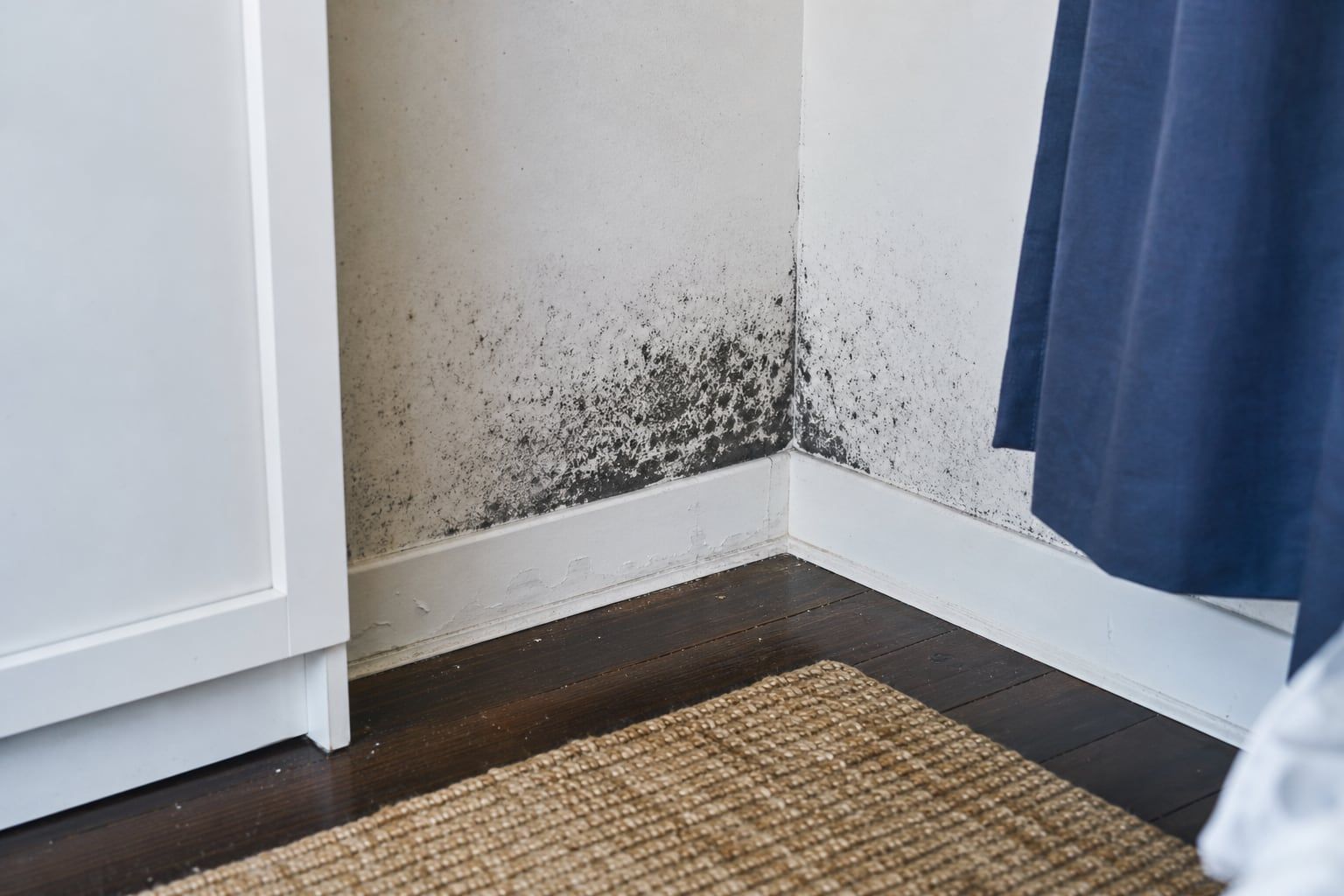
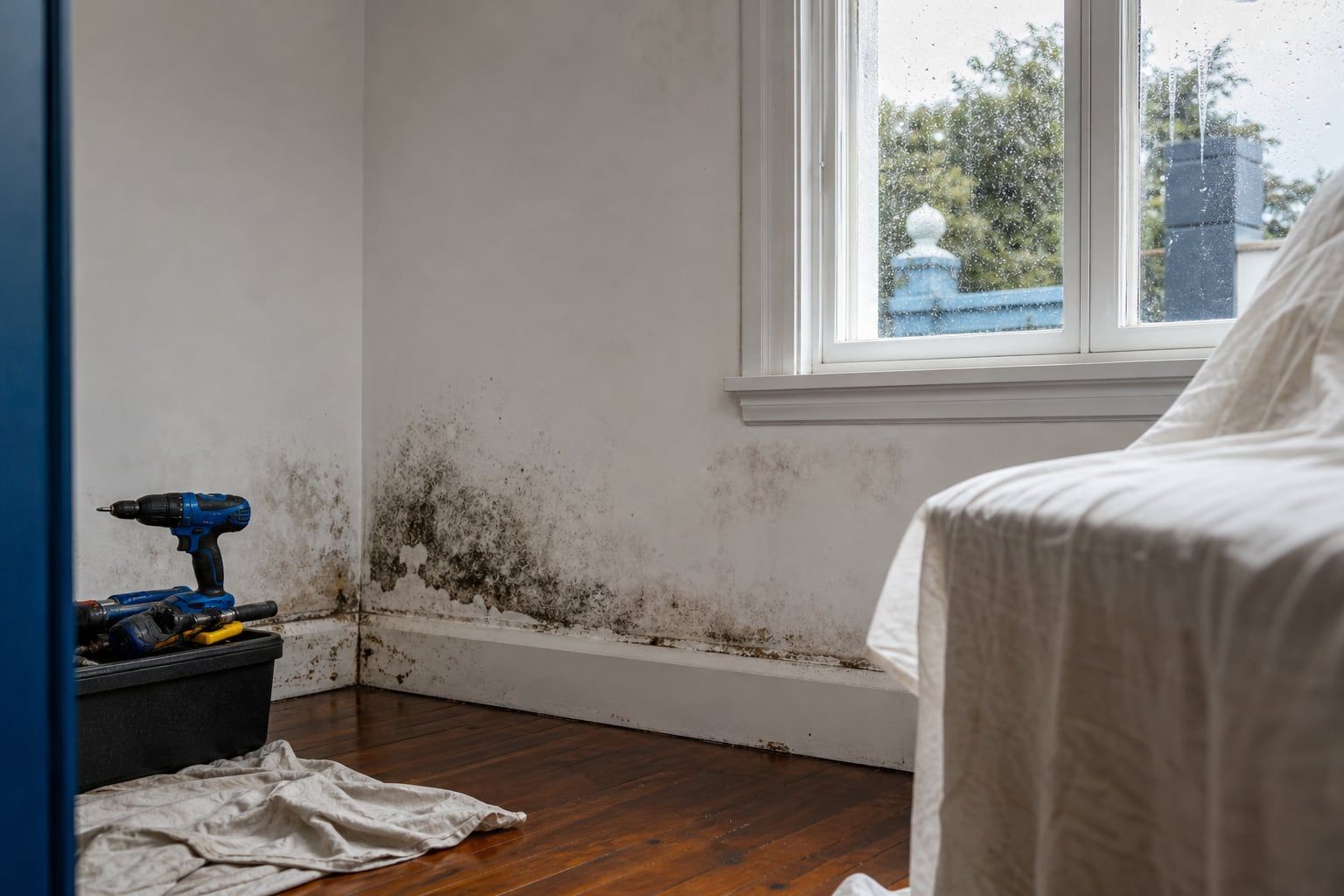
Mould prevention in the Eastern Suburbs starts by asking why the surface is damp. Mould spores drift in from outside constantly; they only grow where moisture lets them. In a terrace that’s often the back wall beside a raised courtyard. In a ground-floor flat it’s the external walls with a failed damp course. In a basement it’s water coming through from the rock.
Cleaning without fixing that means cleaning again in a month. We fix the moisture. We don’t clean or remove mould ourselves.
Common sources in Eastern Suburbs buildings
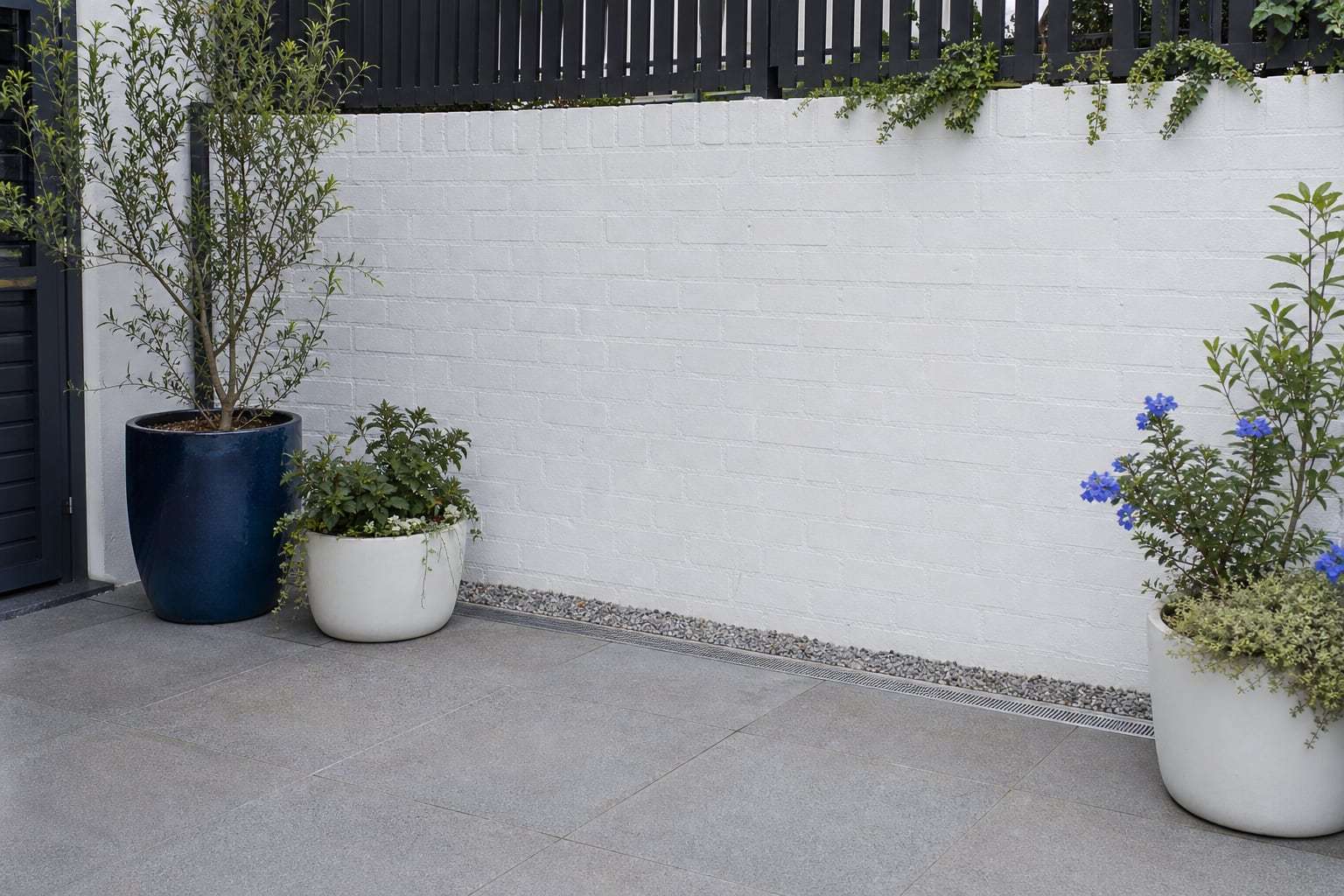
Back walls beside courtyards. Courtyards paved above the old damp course keep the back wall of a terrace wet after every rain. Mould appears in the kitchen, laundry and bathroom behind it.
Ground-floor flats. Walk-up blocks from the 1920s and 30s often have ageing damp courses. Mould shows inside built-in wardrobes and behind beds on external walls.
Basements and lower rooms. Rooms cut into sandstone on harbour slopes get water through the side of the wall and little sun. Mould there follows the seepage.
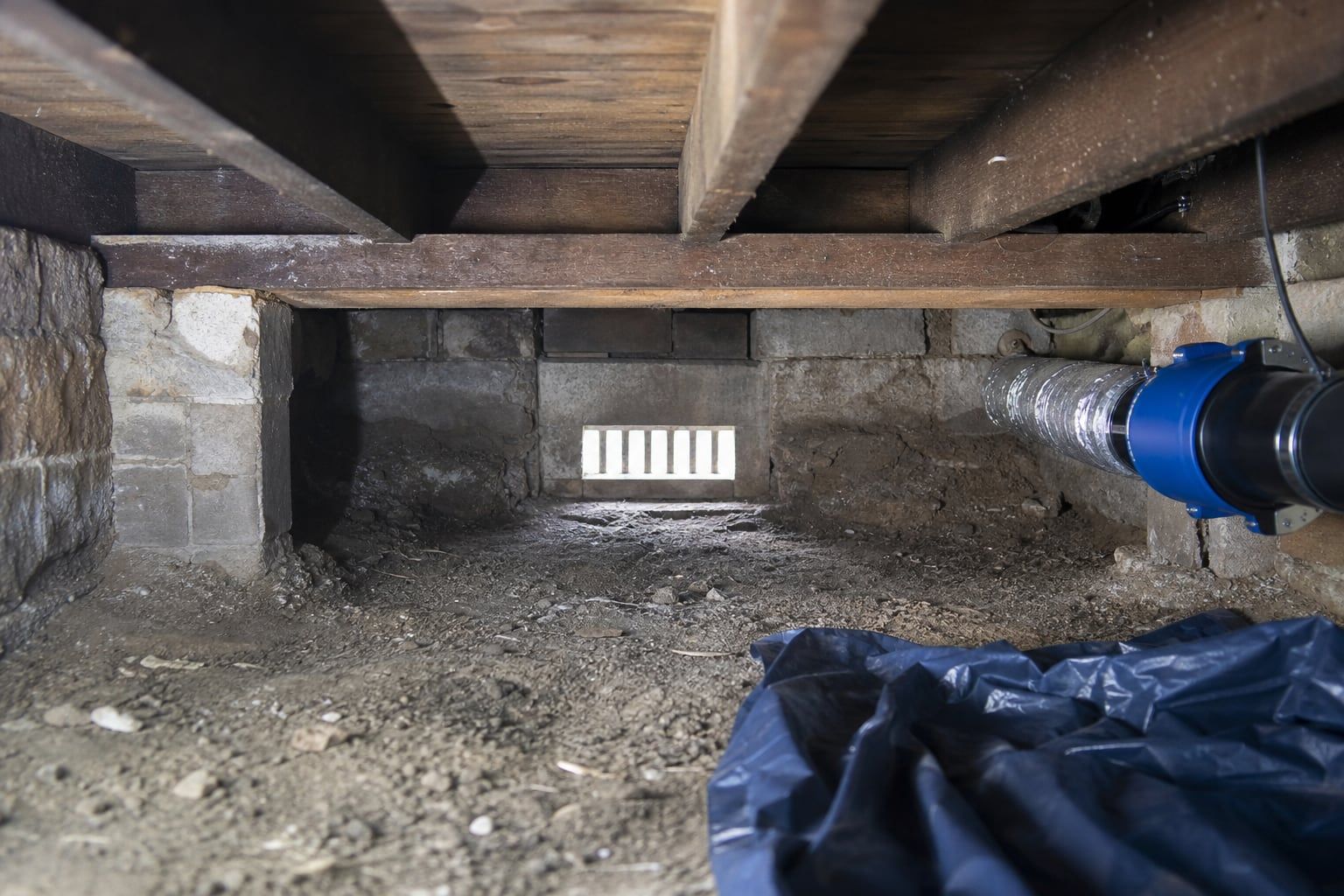
Long, still subfloors. Terraces with vents only at front and back have subfloors where air barely moves. Damp air rises through the boards.
Condensation. Small bathrooms without exhaust fans and cold rooms in older flats can grow mould from air moisture alone.
How we fix it
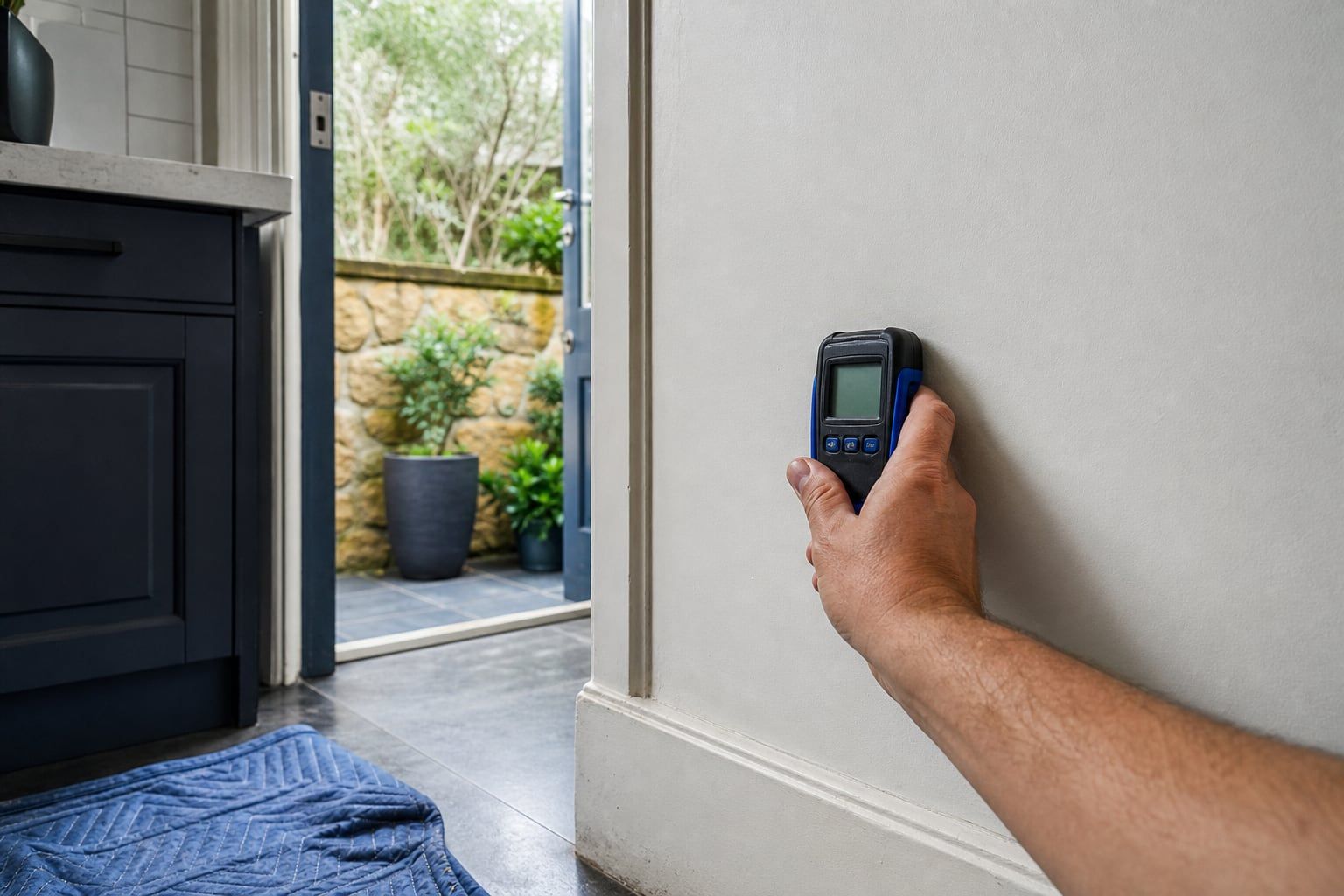
We begin with a free diagnosis around the mould and through the rest of the building. Our page on damp inspection sets out what it covers.
The fix depends on what we find:
- Tanking and drainage for courtyards above the damp course and basements against the rock.
- Underfloor ventilation, often with fans, for long terrace subfloors.
- A new damp course where readings show rising damp, including in party walls.
- Small fixes where they’re enough: downpipes into the stormwater, an exhaust fan ducted outside.
The terrace pattern
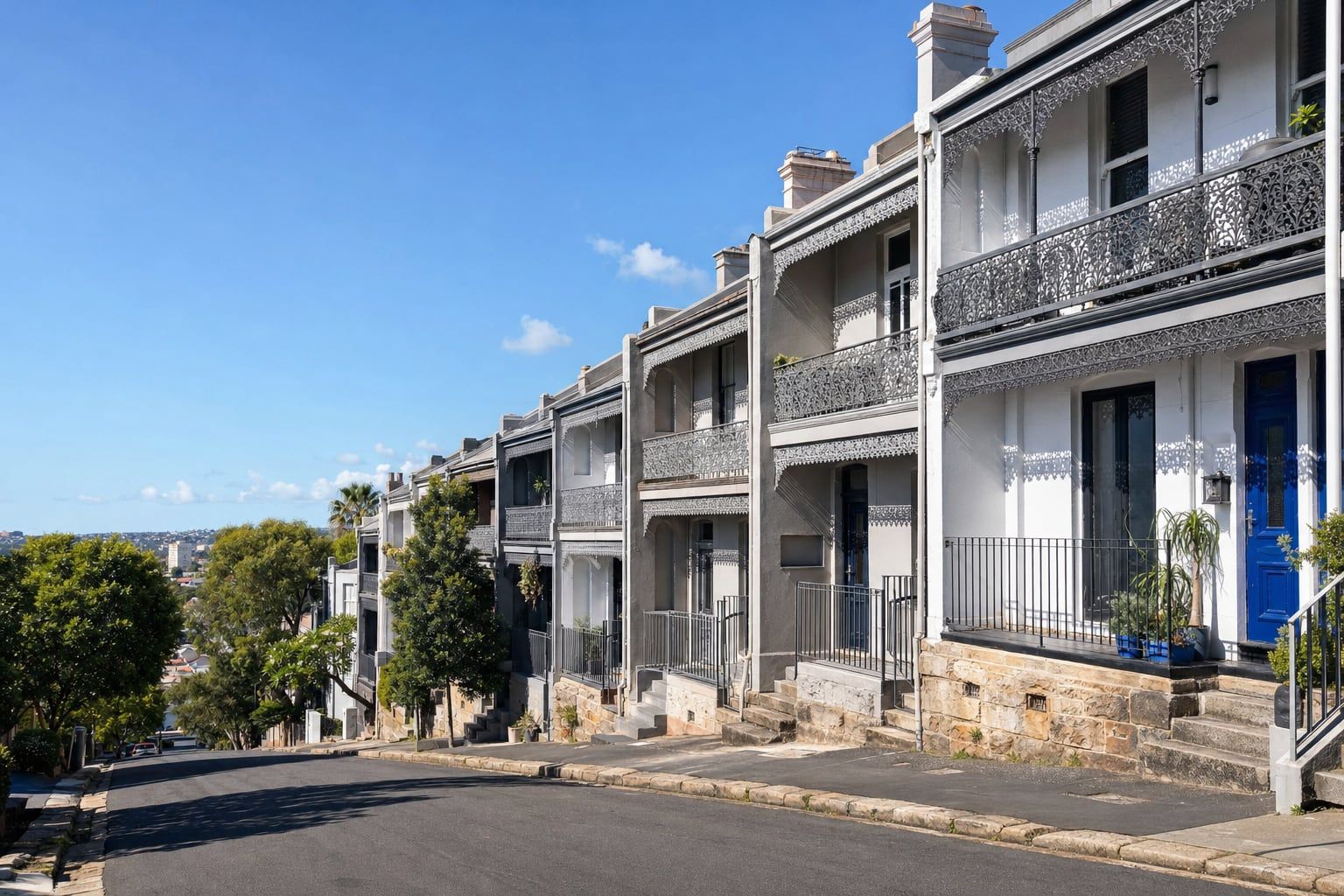
In a typical Paddington or Woollahra terrace, the mould sits at the back: the kitchen, laundry and bathroom closest to the courtyard. That’s no coincidence. Those rooms share a wall with paving that’s often been raised over the years, they tend to have the least airflow, and the subfloor under them usually gets the least air of all. Dealing with the courtyard and that end of the subfloor is often the whole answer.
Strata buildings
In apartment blocks, the walls and slab are usually common property, so the owners corporation decides on repairs. We provide a written diagnosis the committee can act on.
Cleaning up afterwards
Once the source is fixed, existing mould can be cleaned and won’t keep returning. Use a cleaner or remediation specialist for larger areas. Plaster broken down by damp is replaced with our salt-resistant render.
Day-to-day help
Run exhaust fans, open windows on dry days, keep furniture slightly off external walls, and keep courtyard drains clear of leaves. These help with condensation but won’t stop mould fed by a damp wall or basement.
Why it keeps returning in older buildings
Many Eastern Suburbs terraces and flats have been cleaned, sprayed and repainted for years with the same patch of mould coming back each winter. That’s usually because the paint and cleaning products deal with the growth while the courtyard, the damp course or the subfloor keeps feeding it. Once the moisture source is gone, the same patch simply stops coming back.
Get it diagnosed
Mould that keeps coming back has a cause. We’ll find it. See our overview of Eastern Suburbs rising damp for how we work.
Updated
What good mould prevention looks like
Mould Prevention across the Eastern Suburbs
Mould Prevention in the Eastern Suburbs: step by step
- DiagnoseReadings on the walls and floors around the mould, plus the courtyard, drains and subfloor.
- Find the sourceRising damp, courtyard water, basement seepage, a still subfloor or condensation.
- Fix the sourceDrainage, tanking, airflow or a new damp course, matched to the findings.
- Hand overWe explain what keeps the area dry from here.
Mould Prevention questions in the Eastern Suburbs
Something else on your mind? Call 02 9158 9927 and ask.
Do you clean or remove mould?
No. We fix the damp that lets it grow. For cleaning, use a cleaner or remediation specialist; once the moisture is fixed, the clean lasts.
My unit has mould. Who should fix it?
If the damp comes from common property such as external walls or the slab, it's usually the owners corporation's responsibility in NSW. Report it to your strata manager in writing; we can provide a diagnosis for them.
Is mould harmful?
NSW Health says damp and mould can affect breathing and worsen asthma and allergies. See a doctor if you're unwell; for the building, the advice is to reduce dampness and improve ventilation.